Home › Asphalt Milling and Reclamation
Prepare your site for overlays or reconstruction with asphalt milling in Austin, TX. We provide profile milling, full depth reclamation, and onsite recycling to improve pavement structure and drainage.
Precision Asphalt Austin provides professional asphalt milling throughout Austin, TX, Texas and the surrounding area. Our licensed, insured crew delivers safe, clean, on-time work with a free estimate before anything begins. Call (737) 530-7711 or request your free quote.
Asphalt Milling and Reclamation for Austin Properties
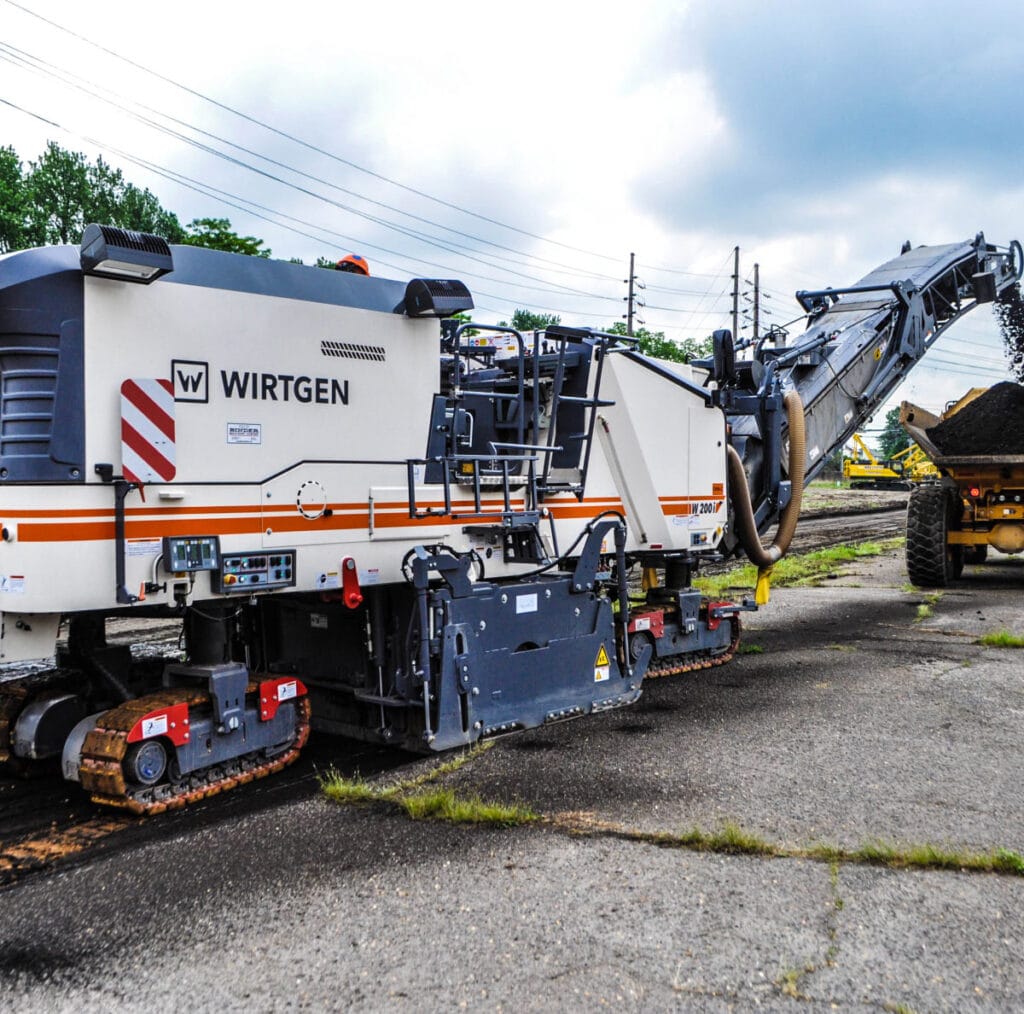
Asphalt milling is the process of grinding and removing the top layer of asphalt so a new surface can be installed without rebuilding the entire pavement. Precision Asphalt Austin uses milling when a driveway, parking lot, or private road in Austin has widespread cracking, rutting, or drainage issues, but the base underneath is still structurally sound.
On a typical Austin residential or commercial project, we arrive with a milling machine sized for the site. For tight Hill Country driveways or older Central Austin alleys, we use smaller mills that can maneuver around trees, fences, and retaining walls. For large parking lots in industrial or retail areas, we bring heavier machines that can remove wider paths and shorten project time.
Full-depth reclamation is different. Instead of just removing the surface layer, we pulverize the asphalt and a portion of the base material, mix it together, sometimes add stabilizers like cement or emulsion, then compact it in place to form a new base. This is often the best option on older Austin properties where the pavement has been patched many times and the base is no longer reliable.
How the Asphalt Milling Process Works On-Site
On milling projects, Precision Asphalt Austin starts with a detailed site walk. We mark drainage paths, low spots that pond after heavy Central Texas rains, and areas that show base failure, like alligator cracking or deep rutting from delivery trucks. This inspection determines how deep we mill and whether any sections need full removal and base repair instead of simple milling.
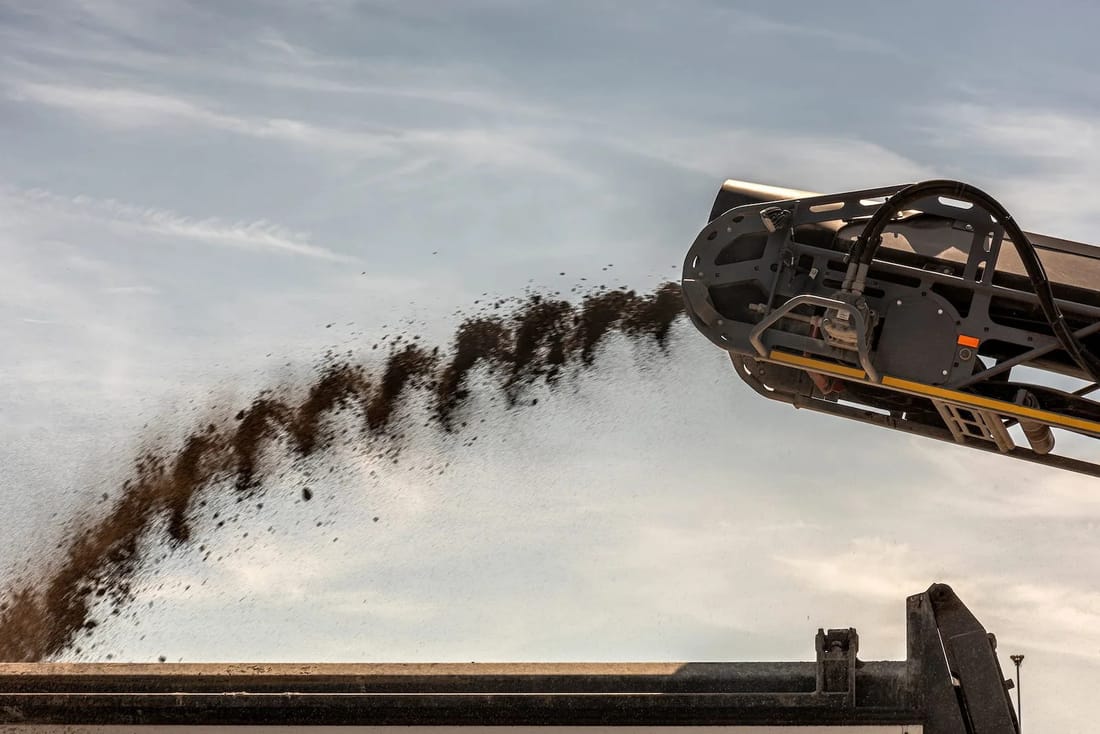
The milling machine uses a rotating drum with carbide teeth to grind off a controlled depth of asphalt, commonly 1 to 2 inches on overlays, or deeper if we are correcting elevation and drainage. The machine conveys the milled material into trucks to be hauled for recycling. We precision-control depth so we do not damage curbs, utility covers, or the underlying base.
After milling, we make a second pass to clean edges against concrete, around inlets, and along transitions to neighboring properties. We adjust manholes, water valves, and cleanouts to the correct final height so the new surface is flush instead of leaving trip hazards. Finally, we sweep the surface thoroughly so the new asphalt layer bonds strongly to the milled surface.
Full-Depth Reclamation: Rebuilding Failing Pavement
Full-depth reclamation (FDR) is used when the pavement has failed all the way through, which is common on older Austin driveways in clay-heavy soils or private roads that have been surfaced thinly over the years. Instead of removing and hauling everything off, Precision Asphalt Austin uses a reclaimer to grind the existing asphalt and a controlled depth of base into a uniform material.
We typically reclaim 6 to 10 inches, depending on traffic and soil conditions. The reclaimed material is sometimes treated with additives. For example, we may mix in cement powder to stiffen the base for heavy truck traffic or an asphalt emulsion to improve flexibility on residential drives. These decisions are made based on actual site conditions, expected load, and your budget.
Once the material is mixed, it is graded to establish proper slope so water runs to the street or drainage system instead of back toward garages or building entrances. Then it is compacted with vibratory rollers to create a dense, strong base. After a curing period, we apply a new asphalt surface. This approach often costs less than a full remove-and-replace while delivering a base that is stronger than what was there originally.
Local Conditions in Austin That Affect Asphalt Milling
Austin’s mix of black clay, limestone outcrops, and frequent temperature swings has a direct impact on how milling and reclamation should be handled. Clay soils expand when wet and contract in drought, which is one reason you see longitudinal cracks and shifting at joints on older driveways in South Austin and Pflugerville. Precision Asphalt Austin accounts for this by checking base thickness and moisture during evaluation instead of assuming the base is adequate.
Drainage is another major factor. Many 1970s and 1980s commercial properties around North Lamar, Riverside, and along Ben White were built with flat parking fields that do not drain well. When we mill these lots, we often change slopes slightly by varying milling depth, which helps remove long-term ponding areas without having to tear out curbs or rework the entire layout.
Tree roots are also a local issue, especially around mature live oaks in older central neighborhoods. Milling alone will not correct root heave. In locations where trees have lifted the pavement, we cut out the affected sections, treat or bridge around roots as required by local codes or arborist guidelines, then rebuild the base and surface before tying back into the milled areas.
Cost Drivers and Planning Your Project
The cost of asphalt milling or reclamation in Austin depends on several very specific factors. Milling depth is primary. Removing a light surface layer to correct raveling costs less than deep milling to fix ruts or adjust drainage. Full-depth reclamation, which involves more specialized equipment and additives, is a higher investment but can eliminate multiple future repair cycles.
Square footage and access also affect pricing. A wide-open commercial lot off I-35 is more efficient to mill than a winding Lakeway driveway with tight turns and limited truck access. Precision Asphalt Austin looks at how easily trucks can enter, stockpile or load millings, and turn around without damaging landscaping or adjacent pavement.
Other cost variables include the number of manholes and utility lids that must be adjusted, how many patches require base repair instead of simple milling, and whether you need striping, signage, or ADA-compliance upgrades when the work is complete. We provide itemized proposals so you can see exactly where the money is going and what options you have, such as staging work in phases to keep parts of your lot open.
What Austin Property Owners Should Ask Before Hiring
Before you hire any contractor for asphalt milling or reclamation, ask what depth they plan to mill and why. A vague answer usually means a one-size-fits-all approach, which can leave you with a surface that still holds water or a base that remains unstable. Precision Asphalt Austin documents planned milling or reclamation depths and explains how they tie into your pavement’s drainage and load requirements.
Ask how the contractor will handle transitions at driveways, docks, and entrances. Poorly planned transitions create bumps, trip hazards, and drainage lips that trap water. We take elevations at key doorways, dock plates, and curb returns, then set milling depths and overlay thickness to match these points cleanly.
Also ask what will be done with the milled material. In most cases, we recycle millings, either sending them to an asphalt plant to be processed into new mix or, when appropriate, using them as stabilized base in non-critical areas like equipment yards. Finally, confirm traffic control and scheduling. On active Austin retail centers or office complexes, we often schedule milling at night or in segmented phases, so tenants and customers can keep using parts of the lot while work progresses.