Home › Asphalt Pathways, Sidewalks, and Trails
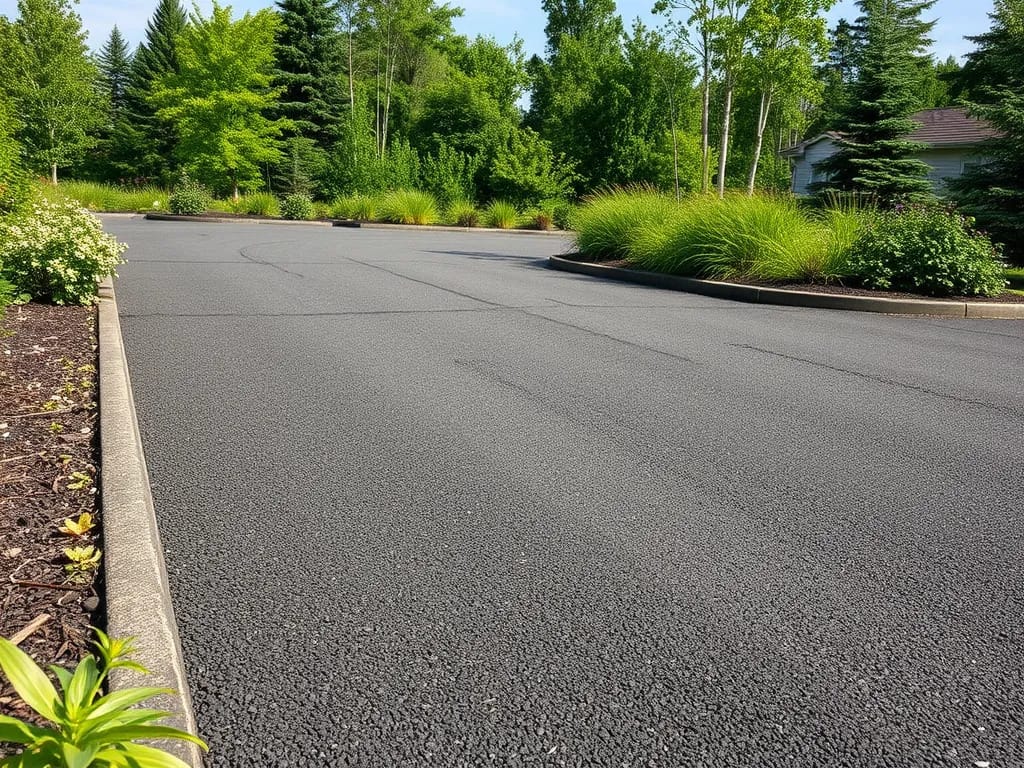
Connect your property with safe, smooth asphalt pathway paving in Austin, TX. We build pedestrian paths, sidewalks, and multi use trails for parks, schools, and communities.
Precision Asphalt Austin provides professional asphalt pathway paving throughout Austin, TX, Texas and the surrounding area. Our licensed, insured crew delivers safe, clean, on-time work with a free estimate before anything begins. Call (737) 530-7711 or request your free quote.
Durable Asphalt Pathways, Sidewalks, and Trails in Austin
Asphalt pathways, sidewalks, and trails need to handle foot traffic, bikes, strollers, and the Texas heat without cracking or raveling. At Precision Asphalt Austin, we design and build paved surfaces that match how your property is actually used, whether you manage an HOA, school campus, park, or private estate.
On every project, we start with a walk of the site. We look at how people move through the space now, drainage patterns after heavy Hill Country rains, shade and tree root zones, existing concrete or asphalt tie-in points, and ADA access needs. From there, we recommend pathway widths, edge details, and asphalt thickness that make sense for your traffic and budget, instead of using a one-size-fits-all template.
In Austin, temperature swings and occasional flooding can quickly damage poorly built paths. That is why we combine careful base preparation with the right local aggregates and performance-grade asphalt binders. The result is a pathway or trail that looks clean, feels smooth underfoot or on a bike, and holds up over years of Central Texas weather and use.
How We Build Long-Lasting Asphalt Paths Step by Step
Our construction process for asphalt pathway paving follows a consistent sequence so you know exactly what to expect.
1. Layout and marking: We stake the route of the path or trail, confirm widths and curves with you on site, and mark any utilities. For HOAs and commercial sites, we can coordinate with your landscaper so new edges blend with turf and planting beds.
2. Excavation and grading: We strip grass and organic material, then excavate to the required depth for the base and asphalt layers. In Austin's clay-heavy soils, we pay close attention to cutting out soft spots that can later turn into depressions or potholes.
3. Subgrade stabilization: Where needed, we compact native soil in thin lifts with plate compactors or rollers. On weaker soils or in low-lying sections, we may add a stabilizing layer of crushed limestone or use a geotextile fabric to separate fine clay from the base rock.
4. Base installation: We install a flex-base or crushed limestone base, typically 4 to 8 inches thick depending on expected traffic and whether light maintenance vehicles will use the path. We shape the base with a slight crown or cross slope so stormwater runs off instead of sitting on the surface.
5. Fine grading and compaction: We compact the base thoroughly, then use string lines or laser levels to fine-tune the surface. This step is critical for smooth walking and riding and for proper drainage away from buildings, fences, and play areas.
6. Asphalt paving: We place a hot-mix asphalt surface layer, usually 2 to 3 inches compacted thickness for pathways and up to 4 inches in areas that see carts or small vehicles. We use small pavers or hand-placing methods where access is tight, then compact with vibratory rollers for larger areas and plate compactors along edges and near structures.
7. Edges, tie-ins, and cleanup: We finish edges to your preferences, whether that is a clean-cut edge into turf, a concrete border, or a metal edging system. At tie-in points, such as where a new path meets existing concrete, we feather the asphalt for a smooth, trip-free transition. Finally, we sweep and haul away debris so the new pathway is ready for use once it cools.
Material Options and Design Choices for Your Path or Trail
Different properties need different pathway solutions, and small design decisions have a big impact on usability and maintenance. Precision Asphalt Austin explains options in plain language so you can choose what fits your site.
Surface mix and texture: A finer mix with smaller aggregate produces a smoother surface that is more comfortable for pedestrians, wheelchairs, and bikes. A slightly coarser mix can offer better traction on slopes or shaded sections that may stay damp longer. We often vary mixes within the same project to match local conditions.
Width and alignment: Residential garden paths might be 3 to 4 feet wide, while HOA walking trails and school sidewalks are more commonly 5 to 8 feet to allow people to pass easily. Curving alignments can preserve mature trees and create a more natural feel in greenbelts, while straighter routes may make sense along parking lots and building entries.
Edges and borders: Asphalt can be installed with a simple compacted soil edge for a softer transition into turf, or we can pair it with concrete, brick, or steel edging to control grass invasion and create a crisp architectural look. On slopes, stronger edge confinement helps prevent edge crumbling.
Drainage and slopes: For Austin's heavy rain events, we design cross slopes of about 1 to 2 percent to shed water while staying comfortable and ADA compliant where required. In low-lying or flood-prone greenbelts, we may elevate the pathway slightly on a thicker base and use side swales to move water away.
Color and striping: Standard asphalt is dark, but in high-sun, low-shade areas, we can discuss sealcoat options that slightly cool the surface and brighten visibility. For multi-use trails, we can add centerline striping, bike lane markings, or directional arrows with high-contrast traffic paint to organize movement and improve safety.
What Drives the Cost of Asphalt Pathway Paving in Austin
Understanding what affects pricing helps you make smart decisions and compare bids fairly. At Precision Asphalt Austin, we break down costs clearly before work begins.
Length, width, and thickness: The total square footage is the largest factor. Paths that must handle occasional vehicle loads, like maintenance carts or emergency access, require a thicker base and asphalt layer, which adds material and labor cost.
Site access and terrain: Open, level areas with easy truck access are more economical to pave. Winding greenbelt trails, steep slopes, or tight spaces between buildings may require more hand work, small equipment, or staging areas, which affects labor time. If trucks cannot reach the site, we may need additional equipment to move materials in.
Subgrade and drainage conditions: Poor soils, existing erosion problems, or areas that hold water will need extra base depth, stabilization fabric, or added drainage solutions like swales or small culverts. Spending a little more on this preparation avoids recurring repair costs later.
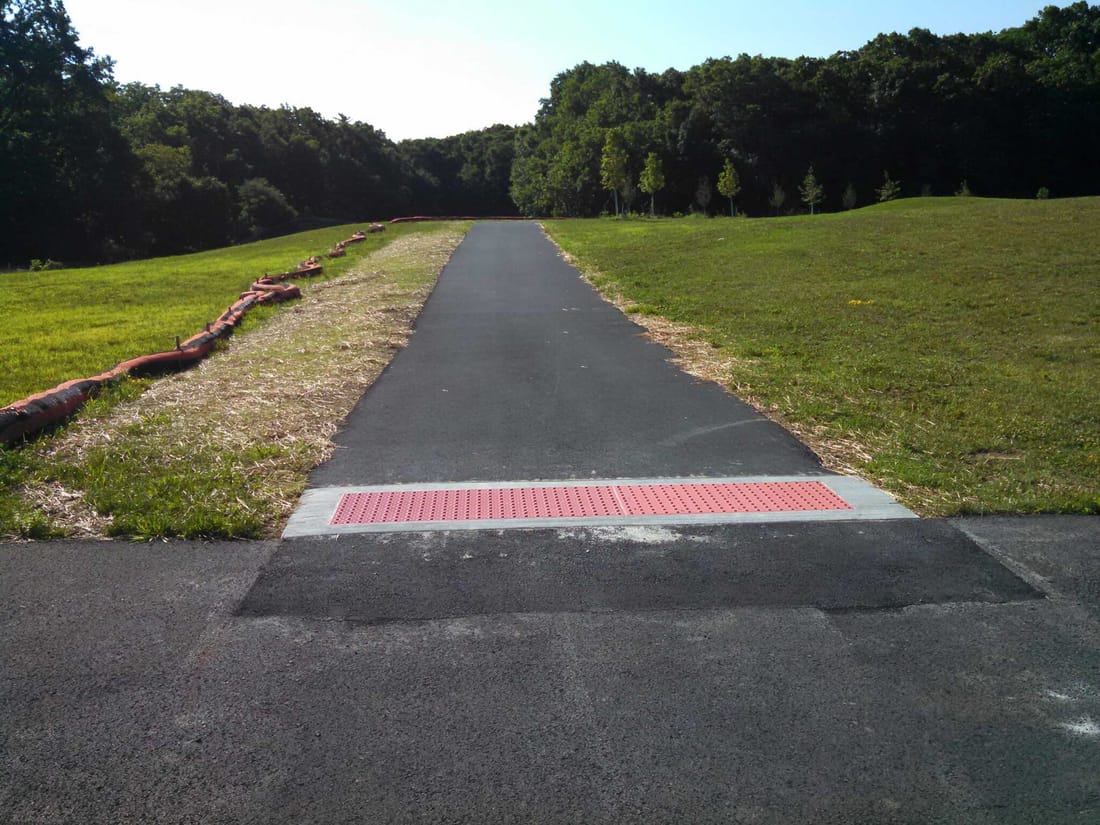
Tie-ins and details: Connecting to existing sidewalks or patios, adding ADA ramps, or installing decorative borders increases complexity. These details are important for safety and appearance, but they also require more fine grading, cutting, and finish work.
Work timing and phasing: For schools, churches, and businesses in Austin, you may need pathway work staged around events or operating hours. We can phase the project to minimize disruption, but that sometimes means more mobilizations or off-peak work schedules, which can influence the overall price.
We provide written estimates that list base thickness, asphalt thickness, linear footage, and any drainage or stabilization measures recommended, so you can see exactly what you are paying for instead of guessing based on a single lump sum.
Common Problems With Paths and Trails and How We Prevent Them
Many pathway and sidewalk issues in Austin have the same root causes: poor base preparation, no consideration for local soils, or shortcuts taken around tree roots and drainage. Precision Asphalt Austin designs each project to prevent these predictable failures.
Cracks and surface raveling: If the base is thin or poorly compacted, asphalt flexes too much and develops cracks. We specify base thickness based on actual use, then compact it in controlled layers. We also use asphalt mixes suited to Central Texas temperatures so the surface resists softening in summer and becoming brittle in rare freezes.
Standing water and algae growth: Flat or improperly sloped pathways collect water, which shortens pavement life and creates slippery areas. During layout and grading, we check slopes carefully and adjust elevations so water flows to designated drainage points instead of pooling on the path.
Tree root lifting: In established neighborhoods and greenbelts, trees are an asset, but roots can disrupt a pathway. We work with the existing root zones by adjusting alignment when possible, thickening the base over root areas, or using root barriers near new plantings. For significant root conflicts, we can suggest alternative layouts that protect both the trees and the pavement.
Edge crumbling: Without support, the outer edge of a narrow path can begin to break off under repeated loading. We address this with proper compaction right to the edge, and when needed, with a stabilized shoulder, edging, or turf reinforcement adjacent to the path.
Maintenance planning: For most asphalt pathways and trails, occasional sweeping, debris removal, and sealing every few years are usually sufficient to extend their life. We provide a tailored maintenance outline at project completion, including what to look for and when to call for a small repair before it becomes a larger issue.
Why Local Experience Matters for Pathway Projects in Austin
Pathways, sidewalks, and trails can look simple, but local experience is what keeps them functional year after year. Austin presents a mix of expansive clay soils, intense sun, oak and cedar roots, and sometimes heavy stormwater flow. Precision Asphalt Austin has spent years working within these conditions and understands how they affect each paved surface.
We know that what works on the west side of town on rocky slopes may not be appropriate in softer soils east of I-35. In one area we might prioritize thicker base and drainage solutions, while in another we focus on accommodating tree roots and shading to reduce heat build-up on exposed paths. This local knowledge helps us recommend realistic options rather than generic specs.
For property managers and HOAs, we can phase pathway and sidewalk improvements so residents still have access while work is underway. For schools and churches, we can schedule paving during breaks or off-hours and coordinate with your staff on temporary routes. We are used to working around Austin traffic patterns and limited parking, so material deliveries and equipment movements are planned to reduce disruption.
Most importantly, we stand behind our work with clear communication. From the first site walk to the final compaction pass, our team explains what we are doing and why. If you have questions about future expansion, ADA compliance, or integrating new pathways with planned buildings or amenities, we are happy to discuss those upfront so your investment in asphalt pathway paving serves your property for many years.