Home › Asphalt Sealcoating & Crack Filling
Preserve your investment with professional asphalt sealcoating in Austin, TX. We clean, crack fill, and seal residential driveways to slow aging, resist weather, and keep your blacktop looking fresh.
Precision Asphalt Austin provides professional asphalt sealcoating throughout Austin, TX, Texas and the surrounding area. Our licensed, insured crew delivers safe, clean, on-time work with a free estimate before anything begins. Call (737) 530-7711 or request your free quote.
Asphalt Sealcoating & Crack Filling for Austin Properties
Central Texas sun is no joke. Between UV exposure, sudden downpours, and occasional freezes, Austin pavement takes a beating. Precision Asphalt Austin focuses on asphalt sealcoating and crack filling that are tailored to our local climate, not a one-size-fits-all approach from another region.
Sealcoating places a protective layer over your existing asphalt so it resists oxidation, water intrusion, and oil spills. Crack filling stops water from getting into the base of your driveway or parking lot, where it can cause potholes and structural failure. Together, these services can double the life of well installed pavement when they are done at the right time and with the right materials.
We work with homeowners who want a clean, safe driveway as well as property managers responsible for busy parking lots near I-35, MoPac, and throughout the Austin metro. Our crew schedules work around your traffic patterns and neighborhood needs so you get a durable surface with minimal disruption to your daily routines.
How Our Austin Sealcoating Process Works
Our sealcoating process is designed around Central Texas conditions and the way local properties are actually used.
1. Assessment and planning: We first walk your pavement, measure square footage, note drainage issues, shade patterns, and heavy turning areas like entrances and loading zones. Austin has plenty of oak and cedar, so we also look for shaded, slower drying areas that may need different timing.
2. Deep cleaning: We use high powered blowers and steel bristle brooms to remove loose gravel, dust, and vegetation from cracks. Oil spots are pretreated with a detergent or primer so the sealer can bond correctly.
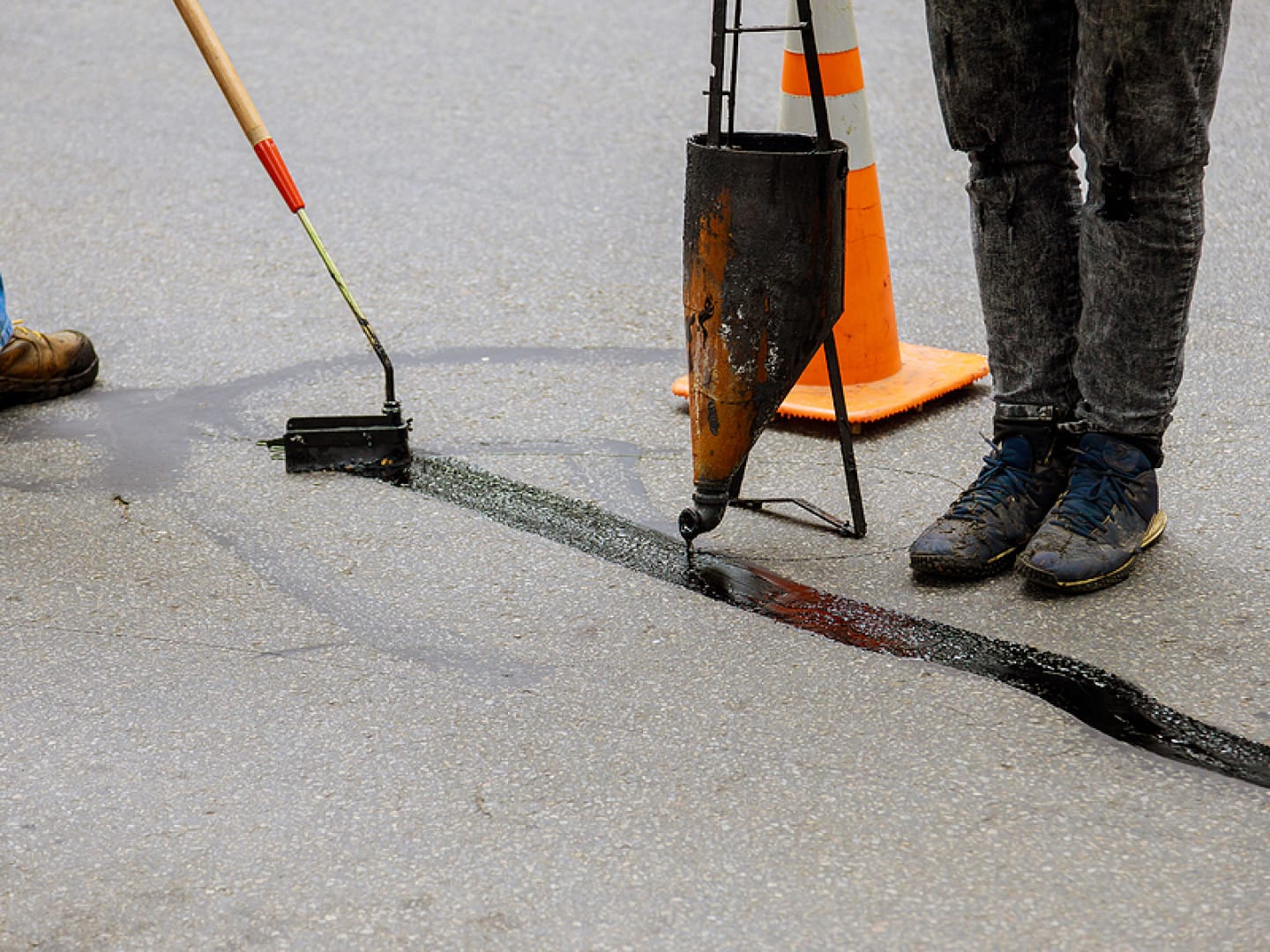
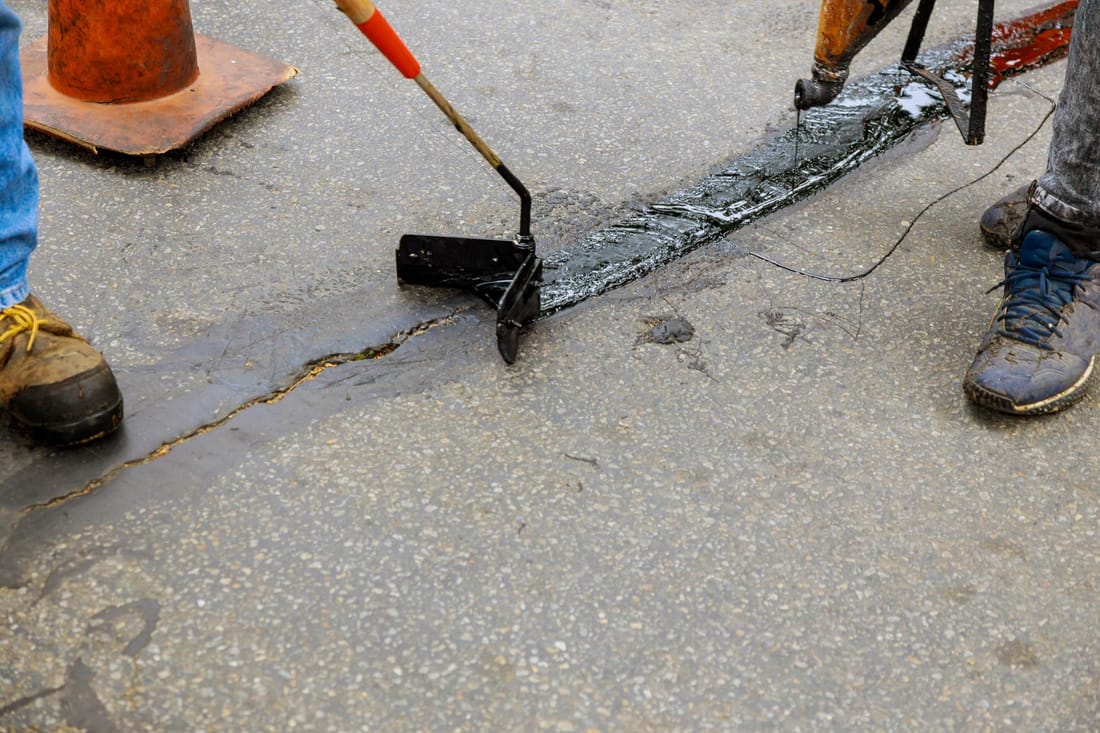
3. Crack filling: Working cracks are routed when needed, then filled with hot rubberized crack sealant that remains flexible through Austin temperature swings. Hairline cracks are treated with a different, finer material than wide structural cracks so you get a smoother final surface.
4. Edge taping and protection: Curb edges, sidewalks, and sensitive areas like decorative concrete or metal drains are protected so sealer only goes where it should.
5. Sealcoat application: We typically use a coal tar or asphalt emulsion sealer with sand and latex additives, applied in two thin coats. For residential driveways we often brush cut in edges and spray or squeegee the interior. For commercial lots we use calibrated sprayers and squeegee machines for consistent thickness.
6. Curing and reopening: In Austin summers, light traffic can often resume after 24 hours, but shaded or cooler weather jobs may need 36 to 48 hours. We leave clear written guidance on when cars, delivery trucks, and garbage trucks can safely return.
Professional Crack Filling That Stops Problems Early
Cracks in asphalt are normal over time in Austin, but allowing water to penetrate is what turns small cracks into costly base failures. Precision Asphalt Austin treats crack filling as its own specialized step, not a quick add on.
We distinguish among three main crack types: hairline surface cracks, longitudinal or transverse cracks that move with temperature changes, and wide structural or fatigue cracks. Each type needs a different material and prep method.
For cracks over about 1/4 inch, we use hot applied rubberized crack sealant heated in a melter so it flows into the crack and bonds to the asphalt walls. In some cases we rout the crack to a uniform width and depth before filling, which helps the sealant perform longer in our 100 plus degree summers and occasional winter freezes.
For residential driveways with many small surface cracks, we may use a crack filling and leveling compound that can be smoothed and then sealed over, which improves appearance while still protecting against water. In high traffic parking lots, we select more elastic materials that handle vehicle turning near entrances, dumpster pads, and delivery areas.
We always crack fill before sealcoating, and we allow proper cooling time so the sealcoat does not pull or wrinkle. This sequence is critical to avoid reflectivity issues where cracks print back through too quickly.
Materials We Use and Why They Matter in Austin
Not all sealers are equal, and what works in a cooler, wetter climate is not automatically right for Austin. At Precision Asphalt Austin we choose products based on heat resistance, UV stability, and performance on local aggregates.
We primarily work with high quality refined coal tar or asphalt emulsion sealers that are specifically rated for high UV and high temperature conditions. We blend these with silica sand for skid resistance and added film thickness, and latex additives to improve flexibility and drying.
For residential driveways, customers often prefer a deep black, uniform finish that hides patching and minor repairs. For commercial parking lots, we balance color and appearance with heavy duty performance so the surface holds up under delivery trucks, rideshare traffic, and frequent turning in compact spaces.
Where there are environmental or property specific concerns, such as near sensitive landscaping or certain commercial applications, we can discuss alternative formulations, including low odor options. We are happy to explain the tradeoffs among product types so you know what is going on your pavement and how long it should realistically last in Austin conditions.
We also match crack sealants to your specific pavement. For stretches that see heavy garbage truck or bus traffic, we use more elastic, heavy duty materials. For lighter residential use, we may recommend materials that prioritize smooth appearance while still providing proper waterproofing.
When to Schedule Sealcoating in Austin
Timing is a major factor in how long your sealcoat will last. In Central Texas we have a relatively long work season, but some windows are clearly better than others.
For most Austin properties, we recommend sealcoating every 3 to 5 years, or when the surface shows light gray oxidation but before cracks and raveling become severe. Newly installed asphalt should generally cure at least 6 to 12 months before its first sealcoat so trapped oils can release.
The best months for sealcoating in Austin are typically March through early June and late September through early November. Daytime temperatures are usually in the right range, with warm enough nights for curing. July and August can work well too, but we schedule carefully around extreme heat so the sealer does not dry too fast on the surface while remaining soft underneath.
We avoid sealcoating on days with rain in the forecast, high winds that blow dust and leaves, or cold snaps where night temperatures drop too low. For shaded driveways in tree lined neighborhoods like parts of South Austin, we factor in slower drying times and may recommend earlier start times or slightly different products.
If you manage a busy commercial property, we can schedule work in phases or during off peak hours, including weekends, so your business access stays as smooth as your pavement.
What Affects Cost for Asphalt Sealcoating & Crack Filling
Honest pricing means understanding what actually drives the cost. At Precision Asphalt Austin we walk you through the variables so the numbers make sense.
Key factors include: total square footage of asphalt, number and type of cracks to be filled, the amount of oil spot priming and patching required, and accessibility for equipment. A simple rectangular driveway in a newer subdivision will cost less per square foot than an older, cracked parking lot with multiple islands, tight corners, and heavy truck use.
Heavily weathered pavement that needs extensive crack routing, patching, or leveling before sealcoating will cost more upfront, but this prep is what prevents early failure. Likewise, choosing a premium sealer with higher solids content costs more initially but generally provides better coverage and longer life in Austin heat, often saving money over the long term.
We provide written estimates that separate line items for cleaning, crack filling, sealcoating, and striping if requested, so you can see exactly where your investment goes. There are no surprise fees for normal traffic control or basic edge protection. If we discover hidden issues, such as unstable base areas, we discuss options before proceeding so you stay in control of the scope and budget.
Why Austin Property Owners Choose Precision Asphalt Austin
Our team lives and works in the Austin area, so we see the same weather and traffic conditions you do. That local knowledge shapes how we approach every sealcoating and crack filling project.
We focus on practical, long lasting solutions rather than quick cosmetic fixes. If your pavement is not a good candidate for sealcoating alone, we will say so and explain what repairs are needed first. Many of our residential projects start with a simple driveway, then turn into long term relationships where we maintain parking lots, private drives, and shared community roads.
Communication is a priority. Before we start, we explain the schedule, how long you will need to keep vehicles off the surface, and what to expect as the sealer cures. For HOAs and commercial properties we can provide notices that you can share with residents or tenants to reduce confusion on sealcoat day.
Every job is completed with attention to detail, from clean, crisp edges along curbs to properly filled cracks that are not overfilled or smeared. After the work is done, we are available for questions about ongoing care, such as when to sweep, how to handle minor spills, and when to plan the next maintenance visit.
If you are considering asphalt sealcoating and crack filling in Austin, TX, Precision Asphalt Austin can inspect your pavement, explain your options in plain language, and deliver work that holds up to Central Texas conditions.