Home › Gravel-to-Asphalt Conversions
Tired of dust, mud, and ruts on your gravel drive. Our gravel to asphalt driveway conversions in Austin, TX turn rough surfaces into smooth, durable blacktop with proper base preparation.
Precision Asphalt Austin provides professional gravel to asphalt driveway throughout Austin, TX, Texas and the surrounding area. Our licensed, insured crew delivers safe, clean, on-time work with a free estimate before anything begins. Call (737) 530-7711 or request your free quote.
Gravel to Asphalt Driveway Conversions in Austin, TX
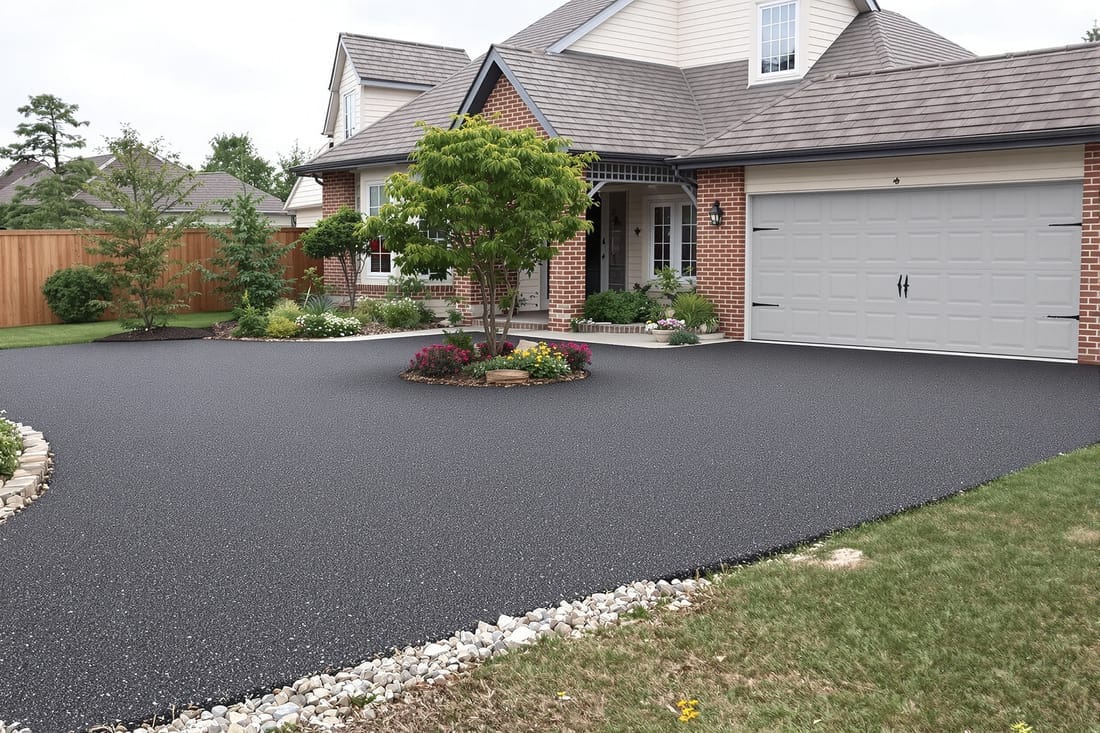
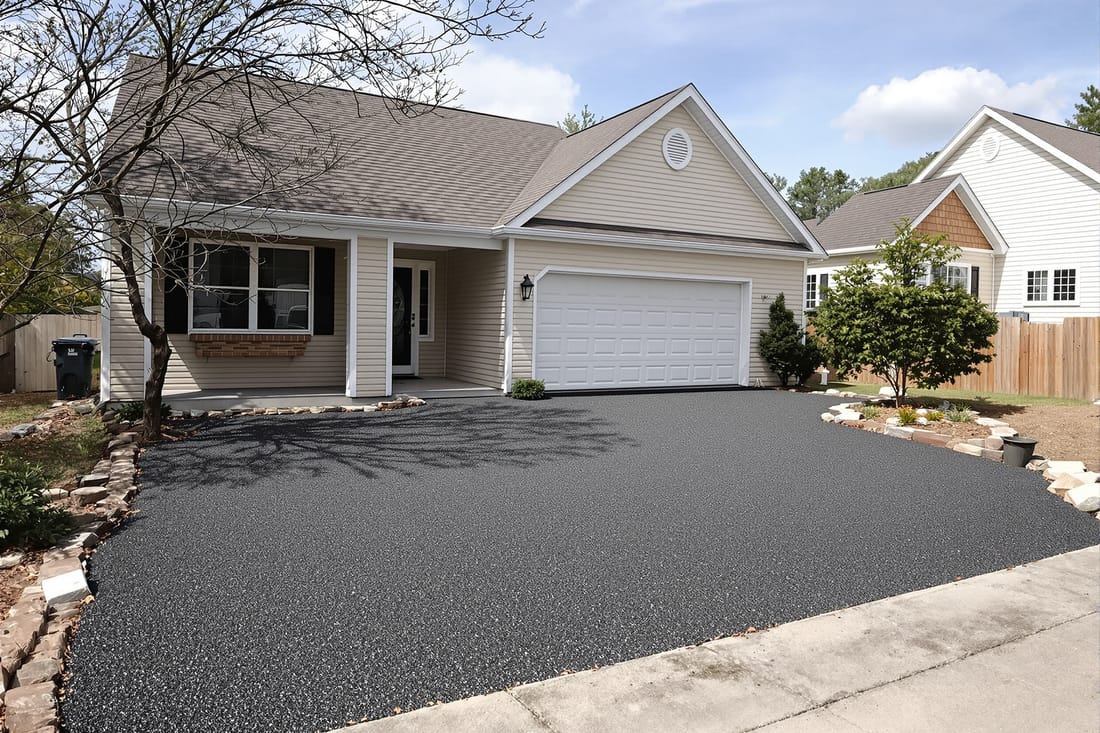
A gravel driveway can be dusty, uneven, and hard to maintain in Central Texas weather. Precision Asphalt Austin specializes in turning existing gravel driveways into smooth, durable asphalt that handles Austin traffic and heat. Instead of starting from scratch, we evaluate your existing gravel base, strengthen it where needed, and build an asphalt surface designed for your specific property.
We focus on local conditions. Austin’s expansive clay soils, sudden heavy rains, and long hot summers all affect how a gravel to asphalt driveway should be designed and built. Our crews are familiar with these conditions across neighborhoods from Circle C and Oak Hill to Pflugerville and Manor. That local experience helps us predict where rutting, ponding, or cracking might occur and build your new asphalt driveway to prevent those issues from the start.
Step-by-Step: How We Convert Your Gravel Driveway to Asphalt
A successful gravel to asphalt driveway conversion is much more than just paving over rock. Precision Asphalt Austin follows a structured process to make sure your new surface lasts.
1. Site visit and measurement. We inspect your existing gravel driveway, measure width and length, check thickness of the existing base, and identify drainage paths and soft spots. We also note access issues like tight turns, trees, or steep slopes.
2. Base evaluation and grading. We proof-roll the driveway with a loaded truck or roller to locate areas that pump or shift under load. Soft spots are excavated, then backfilled with road base aggregate and compacted in layers. We set the finished grade so water runs away from your home, garage, and walkways.
3. Edge definition. For most conversions, we recommend defining edges with compacted shoulders, concrete ribbon, or existing curbs, especially on sloped driveways. This reduces edge crumbling and helps contain the asphalt during compaction.
4. Final base prep. We shape and smooth the gravel base, then compact it with a steel drum or vibratory roller until it reaches proper density. A stable, tight base is critical in Austin’s clay soils because any movement in the base will reflect as cracks in the asphalt.
5. Asphalt placement. We typically install 2 to 3 inches of hot mix asphalt after compaction for residential driveways, more for RV parking or heavier use. When access allows, we use an asphalt paver for consistent thickness. On tight driveways, we place by hand and then compact with rollers and plate compactors.
6. Compaction and finish. Multiple passes with rollers lock the asphalt together. We pay special attention to transitions at the street, garage slab, and sidewalks so there are no abrupt bumps or trip hazards.
7. Cleanup, striping, and walkthrough. We clean the site, haul away debris, and, if needed, add parking stripes or markings. Then we walk the driveway with you to review slopes, edges, and care instructions for the first few days and months.
Design Options for Your New Asphalt Driveway
Even though asphalt is usually black, there are real design choices when converting from gravel. Precision Asphalt Austin helps you select a layout that fits how you actually use your property.
Width and layout. We can widen narrow gravel strips to allow two cars to pass, create parking pads near garages, or add turnouts so you can back out safely onto busy Austin streets. For hill country lots, we design curves and tapers that follow the natural terrain and avoid steep drops.
Thickness and mix type. Light use driveways can often use a standard residential mix at 2 inches compacted thickness. If you park work trucks, trailers, or RVs, we may recommend thicker asphalt or a stronger base section. We use TxDOT-style mixes that hold up in Central Texas heat and resist rutting when cars sit in one place.
Edges and transitions. You can choose rolled asphalt edges for a softer, more natural look, or straight-cut edges against concrete or stone. At the street, we match City of Austin gutter and curb elevations as closely as possible to prevent water pooling. For rural and ETJ properties, we build smooth tapers to connect your driveway to chip seal or asphalt county roads.
Add-ons. While the core service is the gravel to asphalt driveway itself, many homeowners use this time to add small parking areas, trash can pads, or short walkways. Bundling these with the main driveway conversion often saves on mobilization cost.
Cost Factors for Gravel to Asphalt Driveway Projects
Austin homeowners often ask why two gravel to asphalt driveways of similar size can be priced differently. The answer is in the details of the base, access, and drainage. Precision Asphalt Austin explains these factors clearly so you understand what you are paying for.
Driveway size and shape. Longer or wider driveways obviously require more material and labor, but shape also affects cost. Curves, tight corners, and steep slopes can slow production and may require more hand work rather than machine paving.
Existing base condition. A thick, well-compacted gravel base can often be reused with minor touch-ups, which keeps costs down. If your current driveway is thin, full of mud pockets, or has years of poorly compacted gravel, we must excavate and rebuild sections. That base repair work is often the biggest variable on a conversion project.
Drainage corrections. If we need to add swales, install small culverts, or cut ditches to move water away from your driveway, that adds time and materials but greatly improves longevity. Austin’s heavy downpours can destroy a driveway in a few seasons if water has nowhere to go.
Access for equipment. In tight backyards, steep hills, or heavily wooded lots, we may have to use smaller equipment and more manual work. This does not change the quality of the final driveway, but it affects how long the project takes and therefore the price.
Timing and tie-ins. Connecting to existing concrete pads, garages, or city sidewalks can require detailed hand finishing so everything lines up smoothly. These small transitions take extra labor but make a noticeable difference in daily use.
Local Regulations, HOAs, and Permitting in the Austin Area
Most gravel to asphalt driveway projects in the Austin area can be done without a full building permit, but there are still local requirements to consider. Precision Asphalt Austin helps you navigate these so there are no surprises.
Within Austin city limits, work that changes drainage patterns or connects to the public right of way may be subject to review. For example, if you are adding a new driveway entrance, widening an approach, or modifying a curb, the City of Austin may require an approach permit or right of way approval. We can coordinate with you and your engineer or directly with the city if needed.
In HOA neighborhoods, you often need prior approval before converting gravel to asphalt. Common items HOAs look at are driveway width, color of the surface (standard black asphalt is usually fine), proximity to property lines, and whether additional parking pads are allowed. We can provide simple sketches and descriptions to help with your ARC submission.
For properties in the ETJ or outside city limits, requirements are usually looser, but drainage laws still apply. Redirecting runoff onto a neighbor’s property can cause problems down the road. We design slopes and outlets to keep water on your site or tie into existing ditches where possible.
If permits are required for your specific situation, we will let you know during the site visit so you can plan timing and any needed approvals before scheduling the work.
Common Problems With Gravel Driveways and How Asphalt Fixes Them
Many Austin homeowners call us after years of fighting the same gravel issues. Dust on parked cars, washouts after storms, and ruts that keep coming back no matter how many loads of rock you add. A properly built asphalt surface addresses these problems when the base and drainage are handled correctly.
Dust and loose rock. With gravel, every car that drives by kicks up dust and shifts stone. Asphalt locks the surface into a solid mat, so there is no dust and no loose rock traveling into your garage or home.
Potholes and ruts. In Central Texas, gravel sits on top of clay that expands when wet and shrinks when dry. As traffic pushes into soft spots, ruts and potholes form. During a conversion, we dig out these problem areas, rebuild the base with road base aggregate, and compact it in layers before paving. This method attacks the root cause instead of just dumping more gravel on top.
Washouts from heavy rain. Long slopes and poor side ditches can send water straight down the driveway, cutting channels in the gravel. When converting to asphalt, we adjust the crown or cross slope, add shallow swales or berms if needed, and make sure water leaves the surface quickly. The asphalt itself is more resistant to erosion than loose stone.
Maintenance burden. Keeping gravel in shape usually requires regular grading and new rock. Asphalt driveways still need some care, like keeping edges supported, sealing at the right time, and avoiding sharp turns with heavy equipment, but overall maintenance is much lower and more predictable.
What to Expect When You Hire Precision Asphalt Austin
We try to make the gravel to asphalt driveway conversion process straightforward and respectful of your time and property.
Consultation and proposal. After your initial call or message, we schedule an on site visit. We measure the driveway, check the base, discuss how you use the space, and talk through options and any HOA or city constraints. Then we send a clear written proposal that outlines scope, thickness, any base repair, and approximate schedule.
Scheduling and preparation. Once you approve the proposal, we put your project on the calendar. We ask that vehicles, trailers, and obstacles be moved off the driveway before our crew arrives. If we expect any noisy or dusty work during base repair, we let you know ahead of time so you can inform neighbors if needed.
Construction. Most residential gravel to asphalt conversions take 1 to 3 working days, depending on size and base work. We start with base repair and grading, then return with the paving crew for asphalt installation and compaction. You will have clear communication about when you can drive and park on the new surface.
Aftercare. In Austin heat, we usually recommend keeping vehicles off the new asphalt for at least 24 to 48 hours and avoiding sharp steering while parked for the first few weeks. We also advise on when sealing might be appropriate, typically after the asphalt has had time to cure. If you ever notice unusual settling or drainage issues, we encourage you to call. Standing behind our work in the long term is part of how Precision Asphalt Austin operates as a local, community focused contractor.