Home › Industrial and Heavy-Duty Asphalt Paving
Handle heavy traffic with confidence using industrial asphalt paving in Austin, TX. We design thicker sections and reinforced bases for truck yards, loading docks, and high load pavements.
Precision Asphalt Austin provides professional industrial asphalt paving throughout Austin, TX, Texas and the surrounding area. Our licensed, insured crew delivers safe, clean, on-time work with a free estimate before anything begins. Call (737) 530-7711 or request your free quote.
Industrial Asphalt Paving for Austin’s Hard-Working Sites
Industrial and heavy-duty asphalt paving is not the same as paving a driveway or small parking lot. Loads are heavier, traffic is constant, and the cost of downtime is higher. Precision Asphalt Austin designs and builds pavements that hold up to forklifts, 18-wheelers, yard tractors, and high-frequency turning movements common on Austin industrial sites.
We work on distribution centers along SH 130, manufacturing facilities in North Austin, warehouse complexes near the airport, and fuel or trucking yards across Central Texas. Every project starts with understanding your load types, traffic patterns, and operational schedule so we can match pavement structure and mix design to the real conditions on your site, not a generic standard.
From new construction to strengthening older pavements serving heavier trucks than they were originally designed for, we tailor each project so you get long service life, lower maintenance, and minimal disruption to your operations.
Site Evaluation and Engineering for Heavy Loads
For industrial asphalt paving to last in Austin, the structure beneath the blacktop is as important as the surface itself. Precision Asphalt Austin begins with a detailed site evaluation. We verify subgrade soil type, existing base conditions, and drainage patterns. On older industrial properties east of I-35, it is common to find expansive clay soils and thin caliche base that were never designed for today’s truck traffic, so we treat or replace those layers before adding new asphalt.
Our team checks for pumping, rutting, and alligator cracking that indicate structural failure, not just surface wear. Where needed, we perform proof-rolling with loaded trucks to identify soft spots. We may recommend lime or cement treatment of the subgrade, additional crushed limestone base, or full-depth reclamation of existing materials. These steps directly affect cost, but skipping them is why many heavy-duty pavements in Central Texas fail early.
We coordinate with your engineer when plans already exist, or we can propose pavement sections that meet required load ratings and expected traffic counts. The goal is a base and subgrade that transfer truck loads without excessive movement, even during Austin’s wet spring months and intense summer heat.
Heavy-Duty Asphalt Mixes Built for Trucks and Equipment
Industrial asphalt paving depends on using the right materials, not just laying more asphalt. Precision Asphalt Austin specifies heavy-duty mixes that use higher quality aggregates, appropriate binder grades, and thicker lift designs for high-stress areas.
On truck routes, loading docks, bus lanes, and fuel islands, we typically recommend a thicker, coarse-graded base course topped with a dense, high-stability surface mix. For Austin’s climate, we often use a performance-graded binder that handles extreme summer temperatures and reduces rutting under slow or standing heavy loads. Areas with steel-tracked equipment or very tight turning, such as container yards or equipment rental facilities, may need modified mixes with higher resistance to shear.
We also consider fuel and chemical exposure in logistics yards or service facilities. In locations where fuel or oil spills are routine, we can adjust the mix design and recommend surface treatments or sealing schedules to reduce softening and premature raveling. These material choices are discussed with you in advance so you understand why one section of your site might receive a different mix than another.
Construction Process: From Grading to Final Roll
Heavy-duty performance comes from disciplined execution in the field. Precision Asphalt Austin follows a structured process on every industrial paving job so there are no weak links.
First, we handle grading and base preparation. This includes cutting to design elevation, compacting the subgrade, and installing or reconditioning crushed limestone base to specified thickness. We compact in multiple passes with heavy rollers, verifying density with field tests. For industrial sites, we pay special attention to dock aprons and drive lanes where settlement or dips would cause ponding and safety issues.
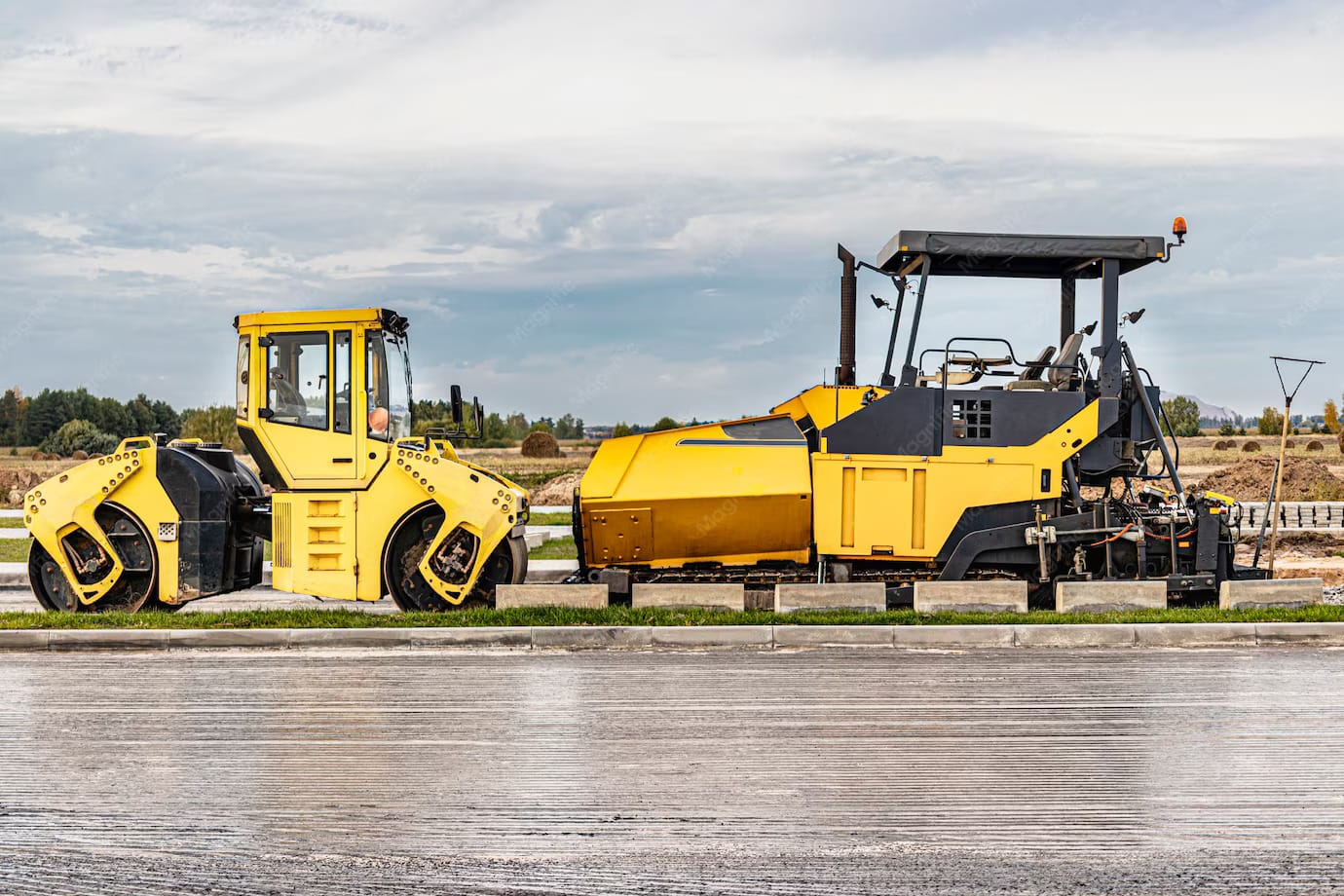
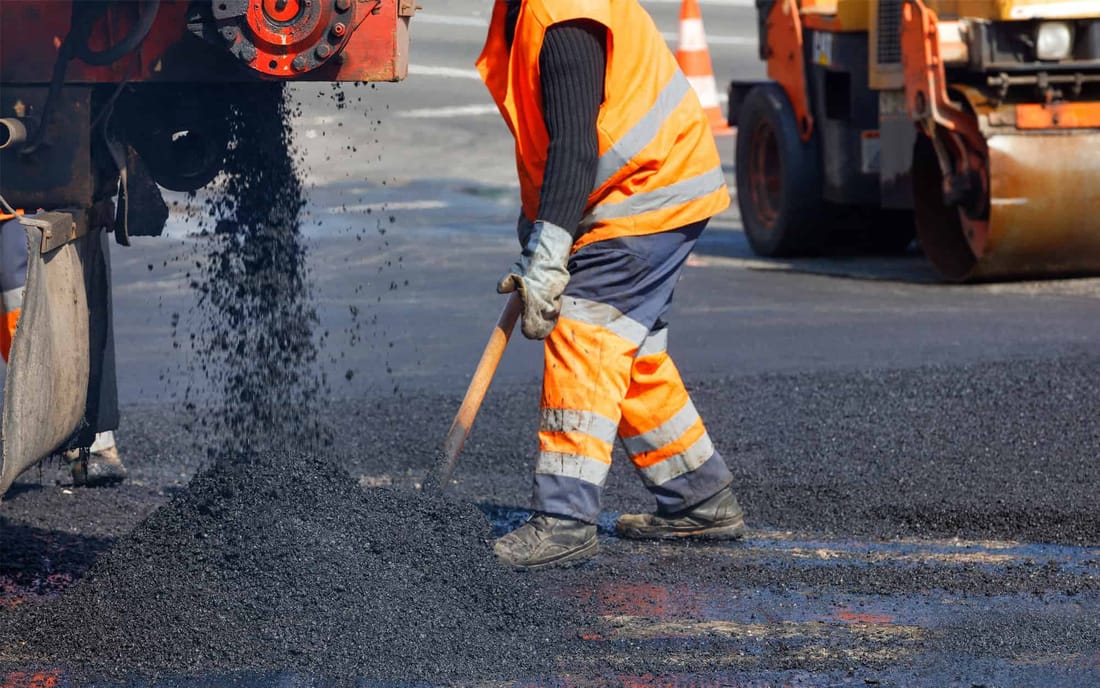
Next, we place asphalt in carefully planned lifts. Heavy-duty sections may be built in two or three layers, each compacted to target density before placing the next. We use pavers capable of maintaining consistent mat thickness and grade control over large areas like distribution center lots and truck courts. Joints are staggered and carefully compacted, because cold or poorly bonded joints are frequent failure points when 18-wheelers brake or turn.
During construction, we coordinate phasing so your operation can keep running. On many Austin sites, we pave in stages or at night, keeping access to critical docks and entries while still giving the fresh asphalt time to cool and harden properly. The final step is detail work: saw-cut tie-ins to existing concrete, adjusting manholes and drains, and ensuring striping layouts match truck paths and safety requirements.
Designing for Drainage, Heat, and Local Conditions
Austin’s climate and soils present specific challenges that must be considered in industrial asphalt paving. Our designs at Precision Asphalt Austin address these realities from the start.
Drainage is critical. Heavy trucks sitting in standing water accelerate rutting and base failure. We design slopes and install appropriate inlets so lots and yards drain quickly during intense thunderstorms. In older industrial parks that were built flat, we may recommend regrading or adding valley gutters to move water off pavement and away from building foundations.
Summer heat on wide open industrial yards can be extreme. Dark asphalt without shade can reach temperatures that soften poorly designed mixes. That is why we use binder grades and aggregate structures chosen for high temperature performance, and we avoid overly rich surfaces that might bleed or shove under truck tires.
Local utility and access issues are also important. Many Austin industrial properties have shallow utilities or mismatched elevations between older and newer buildings. We carefully plan tie-in points, elevations at dock doors, and transitions to existing concrete slabs so forklifts and pallet jacks move smoothly without catching on bumps or dips. This kind of detail work often separates long-lasting pavements from ones that fail at the joints.
Cost Drivers and Options to Fit Industrial Budgets
Industrial asphalt paving is a capital investment, and understanding what drives cost helps you plan a realistic budget. Precision Asphalt Austin is direct about which choices affect price and which affect long-term performance.
Major cost factors include total area, required pavement thickness, base repair or replacement, and phasing needs. A trucking yard that needs 8 to 10 inches of total asphalt and base to carry heavy axle loads will cost more per square foot than a light-use employee parking area. If your existing base is unstable or thin, full-depth reclamation or replacement adds cost but often saves money in reduced maintenance over the next decade.
We can discuss alternatives such as reinforcing only the highest stress zones, like dock bays, drive lanes, and turning areas, while using lighter sections in employee or overflow parking. For facilities that cannot shut down, working in smaller phases or during off-peak hours can slightly increase mobilization and traffic control costs, but it reduces the business impact, which is often more valuable than the paving itself.
When you request a proposal, we will typically provide at least one value-engineered option, such as modifying layer thicknesses, changing from mill-and-overlay to full-depth reconstruction in failed areas, or adjusting the mix design to balance cost and expected traffic loads.
Maintenance, Repairs, and Upgrades for Existing Industrial Pavements
Even well-built industrial asphalt pavements eventually show wear, especially in older Austin industrial corridors where use has changed from light manufacturing to full-scale logistics. Precision Asphalt Austin provides targeted maintenance and structural repair options that extend service life without unnecessary full replacement.
For pavements that are structurally sound but dry or slightly rutted, we may recommend mill-and-overlay solutions, where the top layer is milled off and replaced with a new heavy-duty surface mix. This is common on truck courts where the base is still intact. In areas with alligator cracking or depressed panels, we cut out and reconstruct those sections, rebuilding the base and asphalt thickness only where needed.
We also help facility managers set up practical maintenance programs. This might include periodic crack sealing to keep water out of the base, planned overlays before the surface reaches advanced failure, and re-striping layouts as traffic patterns change. On properties that are adding heavier trucks or new loading operations, we can analyze the existing pavement structure and recommend targeted upgrades, such as reinforcing key drive lanes or dock approaches, instead of redoing the entire site.
By approaching maintenance with an industrial mindset and understanding your operations, we help you plan work during off-peak times, coordinate with tenants, and protect your investment in both pavement and equipment.