Home › Private Road and Lane Paving
Improve access to your home or shared driveway with private road paving in Austin, TX. We grade, build a strong base, and install asphalt on long lanes and easements for a smoother drive.
Precision Asphalt Austin provides professional private road paving throughout Austin, TX, Texas and the surrounding area. Our licensed, insured crew delivers safe, clean, on-time work with a free estimate before anything begins. Call (737) 530-7711 or request your free quote.
Practical Private Road Paving for Austin Properties
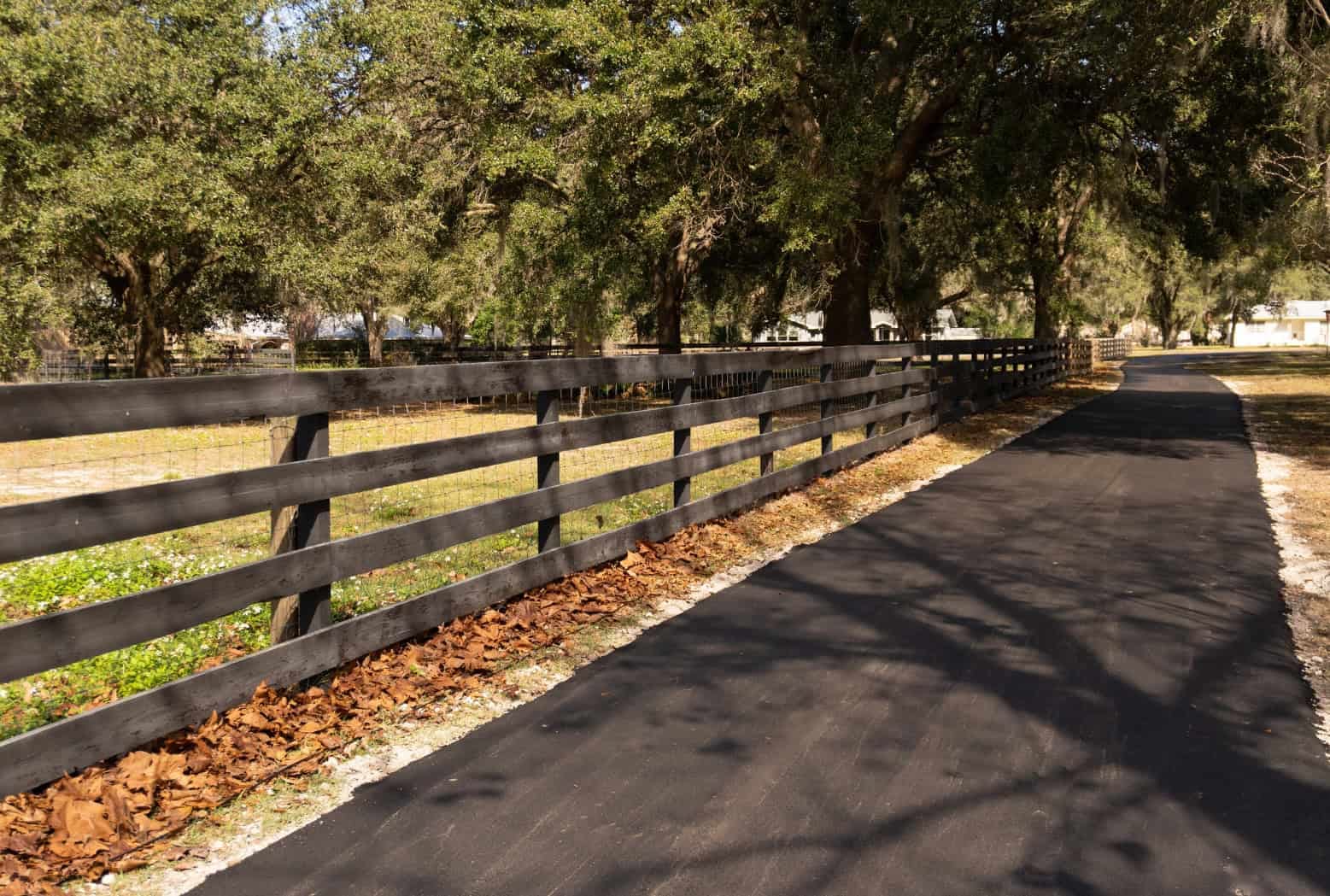
If you own land in or around Austin, you already know how quickly a caliche or gravel road can turn into ruts and washouts after a good Texas storm. At Precision Asphalt Austin, our private road paving service is focused on building asphalt lanes and access roads that stand up to Hill Country heat, heavy pickups, trailers, and the occasional flood-style rain.
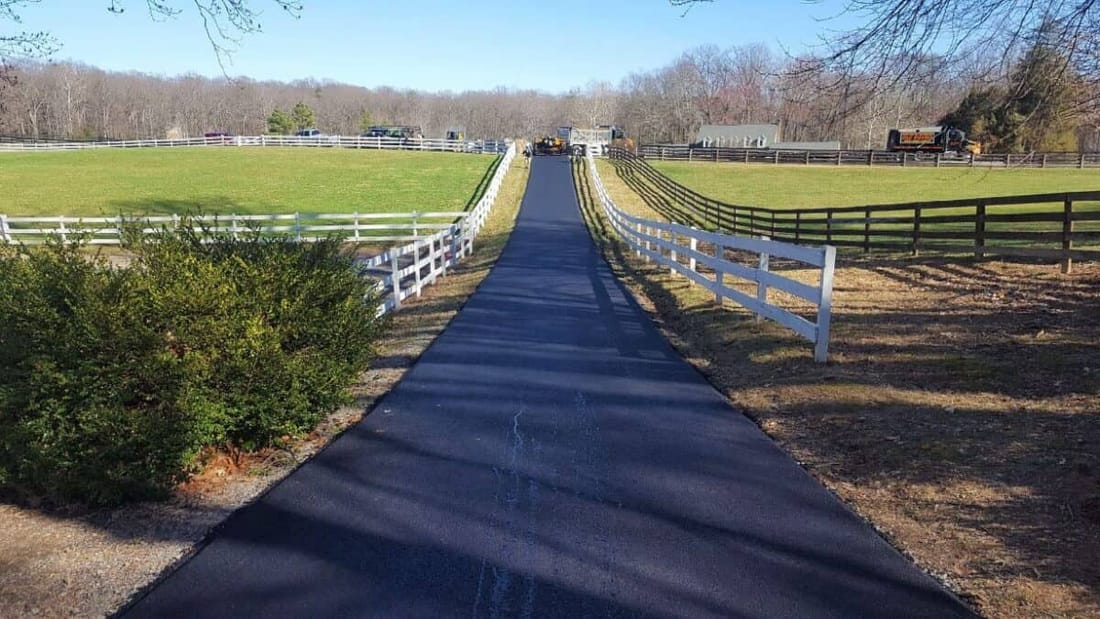
Private road paving is very different from throwing down a little driveway patch. We look at how your property actually works: where water flows, what vehicles use the road, if you have gates or cattle guards, and whether fire trucks or delivery trucks need access. A half-mile ranch road out by Dripping Springs needs a different design than a short shared lane behind a South Austin subdivision.
We also factor in Austin-specific conditions. Our clay soils expand and contract, we get long stretches of triple-digit heat, and when it rains it tends to come fast. All of that affects how thick the pavement should be, how the base is built, and where we cut in ditches or install culverts. When Precision Asphalt Austin designs a private road, the goal is simple: it should be smooth in August, drain well in October storms, and not fall apart by next summer.
How We Build a Private Asphalt Road or Lane
Every project starts with a walk or drive of your existing path. We look for soft spots, standing water, sharp elevation changes, tree roots, and any utilities that might be near the surface. We then measure the full alignment of the road, so you are not surprised later by a change in width or layout.
1) Layout and grading: We mark the road width, slope, and edges. On most Austin private roads, we aim for a slight crown or cross slope so water sheds off the surface instead of sitting in the wheel paths. Our graders and skid steers then cut high spots, fill low spots, and shape a consistent profile.
2) Base construction: Base is what really makes or breaks a private road. Precision Asphalt Austin typically uses compacted crushed limestone road base, often 6 to 10 inches thick depending on traffic and soil. Soft or muddy areas get undercut and replaced, instead of just compacting wet dirt, which is a common shortcut that leads to potholes within a year.
3) Compaction: We run steel drum and rubber tire rollers until the base hits the right density. You will see us make multiple passes, not just one. In some sections, especially near low-water crossings or under big oaks, we may add an additional stabilizing lift or change the base gradation so it locks in better.
4) Asphalt placement: For private roads and lanes, we usually install a hot mix asphalt surface course between 2 and 3 inches compacted thickness. High traffic or heavy equipment routes may get a binder course underneath for added strength. The mix type is chosen for Austin heat, so it does not rut under parked trailers or farm equipment.
5) Final rolling and cleanup: We roll the surface to a tight, smooth finish, then dress the shoulders with base or topsoil so there is no sharp drop-off at the edges. If we adjusted ditches or culverts, we make sure they are flowing correctly before we leave.
Design Choices, Thickness, and Material Options
Not every private road needs to be built like a commercial truck yard, but it does need to match the way you use your property. During planning, Precision Asphalt Austin will walk you through several design choices so you can balance cost versus longevity.
Road width: For narrow lanes that only see light residential traffic, we often pave at 10 to 12 feet wide, sometimes with gravel shoulders. Shared access roads or drive aisles that need two-way traffic may be 14 to 18 feet. Wider roads cost more in materials and base, but they are safer for trailers and delivery trucks.
Pavement thickness: Light traffic lanes with passenger vehicles typically get 2 inches of asphalt over 6 inches of base. Roads that see repeated heavy loads, such as horse trailers, RVs, or construction equipment, may require 3 inches of asphalt over 8 to 10 inches of base. In areas with poor native soil, we might recommend a thicker base or soil stabilization.
Material upgrades: While standard hot mix asphalt works well for most private roads around Austin, we can also provide:
• Heavier-duty mixes for steep grades where tires tend to spin.
• Chip seal over base for longer, budget-driven ranch roads that do not need a full asphalt mat everywhere.
• Edge reinforcement or thicker sections near gates, cattle guards, dumpsters, and delivery drop-off points where turning and braking are hardest on the pavement.
Drainage elements, such as shallow ditches, culverts under low spots, and concrete flumes around steep transitions, can be incorporated during construction so you are not fighting erosion after the first big storm.
Cost Drivers, Common Problems, and How We Prevent Them
Private road paving costs more than many owners expect, mostly because of the work you never see once the asphalt is down. Precision Asphalt Austin is straightforward about these cost drivers so you can plan realistically.
Key factors include total length and width, thickness of base and asphalt, existing soil conditions, tree and brush clearing, drainage improvements, and access for equipment. A short, straightforward lane on firm ground costs much less per foot than a winding hillside road that needs multiple culverts and tree work.
In and around Austin, the most common problems we see on existing private roads are:
• Potholes and soft spots where the base was never properly built or compacted.
• Edge cracking where the road was too narrow and vehicles repeatedly drive off the sides.
• Washouts at low points due to no ditches, undersized culverts, or water being directed straight down the road.
We address these by repairing or rebuilding the base in bad sections, widening and reinforcing narrow stretches, and correcting drainage so water flows beside the road instead of on it. We often recommend simple, low-maintenance fixes like shallow roadside swales instead of expensive storm drains.
Timing also matters. In Central Texas, the best months for private road paving are generally October through May, when temperatures are moderate and we are not fighting extreme heat. We can work in summer, but we plan earlier starts to avoid the hottest hours so compaction is right and the crew is safe. After a major rain, we may need a day or two for the ground to dry enough to compact properly. Rushing this step is what leads to early failures.
What Austin Owners Should Know Before Hiring a Paving Contractor
When you invite a contractor onto your land, you want to know they understand both asphalt and rural access issues. Before you hire anyone for private road paving, Precision Asphalt Austin suggests you ask:
• How thick will the base and asphalt be, and how will you verify compaction?
• What is your plan for drainage along this road, including ditches and any culverts?
• How are you protecting trees, fences, and existing utilities while working?
You should also expect a clear plan for traffic access during construction. For example, on long ranch roads with a single entry point, we often stage the work so you can still get in and out, or we coordinate with you on specific days and hours when the road will be impassable.
Permitting can come up for certain shared private roads or when tying into a public street in Austin or Travis County. We can help you understand when those rules apply and, if needed, coordinate with the appropriate agency.
Once your road is built, basic maintenance is simple but important. Keep heavy vegetation trimmed back at the edges, clear debris from ditches and culvert inlets before big storms, and call us early if you notice new cracks or small depressions. Small repairs are far cheaper than rebuilding failed sections.
Precision Asphalt Austin is local, so we know the soils, the weather patterns, and the common access challenges around Austin, Buda, Manor, and the surrounding Hill Country. If you are ready to improve a dusty, rutted lane or build a new private road from scratch, we can walk the route with you, explain options in plain language, and give you a detailed, written proposal so you know exactly what you are getting.